
‘Women in Photo’ Curated by Jahnavi Sharma
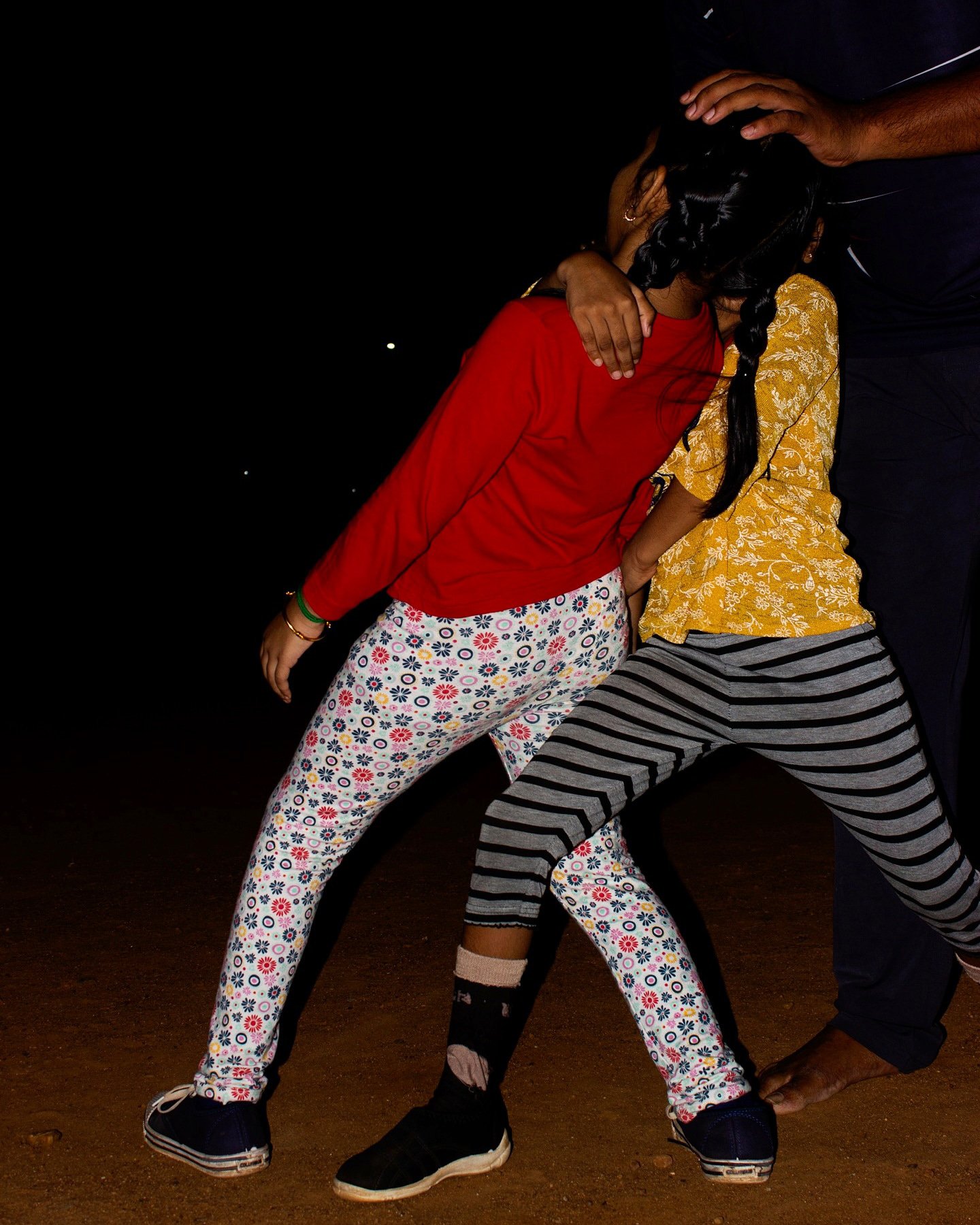
Image by Aparna Aji: @aparna_aji
In November 2025, Girls in Motion was thrilled to partner with Women in Photos, a photography exhibition curated by Jahnvi Sharma. Jahnvi is a curator and creative director based between New Delhi and London, exploring the South Asian diaspora through themes of intimacy, identity and belonging.
Women in Photos explores intimacy in terms of what it means to feel, be seen, and inhabit one’s body as a woman today, inviting viewers into moments of vulnerability, resistance and quiet courage.
This exhibition was a visual exploration and a cross-cultural exchange. Between Delhi and London, Women in Photo foregrounds female experience across cultural, generational, and emotional contexts, fostering dialogue and empathy from a range of perspectives.
Jahnvi explains that spotlighting women of South Asian heritage was particularly important for several reasons. Financially, many women lack the resources and networks that “allow for sustained artistic practice” such as production budgets and equipment. Culturally, the industry is a male dominated work space and, institutionally, there are far fewer women represented. Often, “the women whose work is truly experimental or deeply personal don’t always fit within the polished narratives that galleries or brands prefer to show.”
With contributions from 16 women, Women in Photo includes photography by 11 women from South Asian backgrounds and five from the UK. Jahnvi explains that this cross-cultural collaboration was fundamental to her vision of the exhibition:
“Their work expands the conversation around intimacy, identity, and belonging in a global sense, showing how these experiences intersect across geographies. The exhibition isn’t limited to geography or ethnicity; it’s more about how these different perspectives come together around the central idea.”
Our aim, at Girls in Motion, is to spotlight emerging females across various fields, inspiring the next generation of social change-makers. Douce went along to Women in Photo on opening night to interview some of the photographers involved. Here are some of the things they discussed.
Disha Shadow showed a series of self-portraits that invite the viewer into her world. Disha explains why she chose self-portraiture for the theme of intimacy:
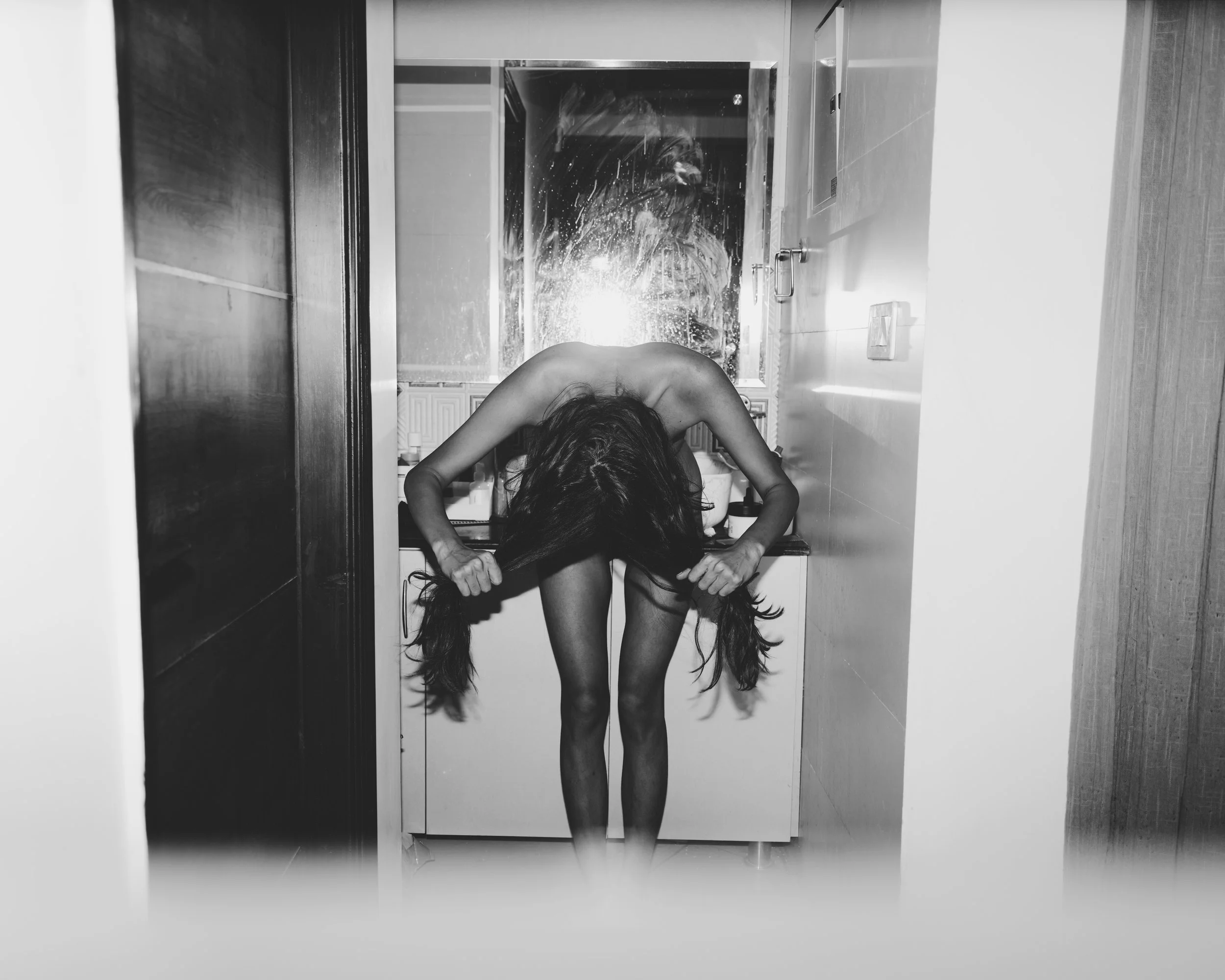
Image by Disha Shadow: @disha_shadow
“It is one of the most indulgent ways of spending time with myself. Also it is one of the most intimate moments that I have with myself and there is a certain freedom in sharing those moments with the viewers.”
Eve Louisa is a British photographer, based in London. She describes her method as ‘photo painting’, creating images that feel “tender and like a sigh of relief”. On intimacy, Eve discusses her project “frosted glass window”, as a catalyst in transforming her perception of intimacy:
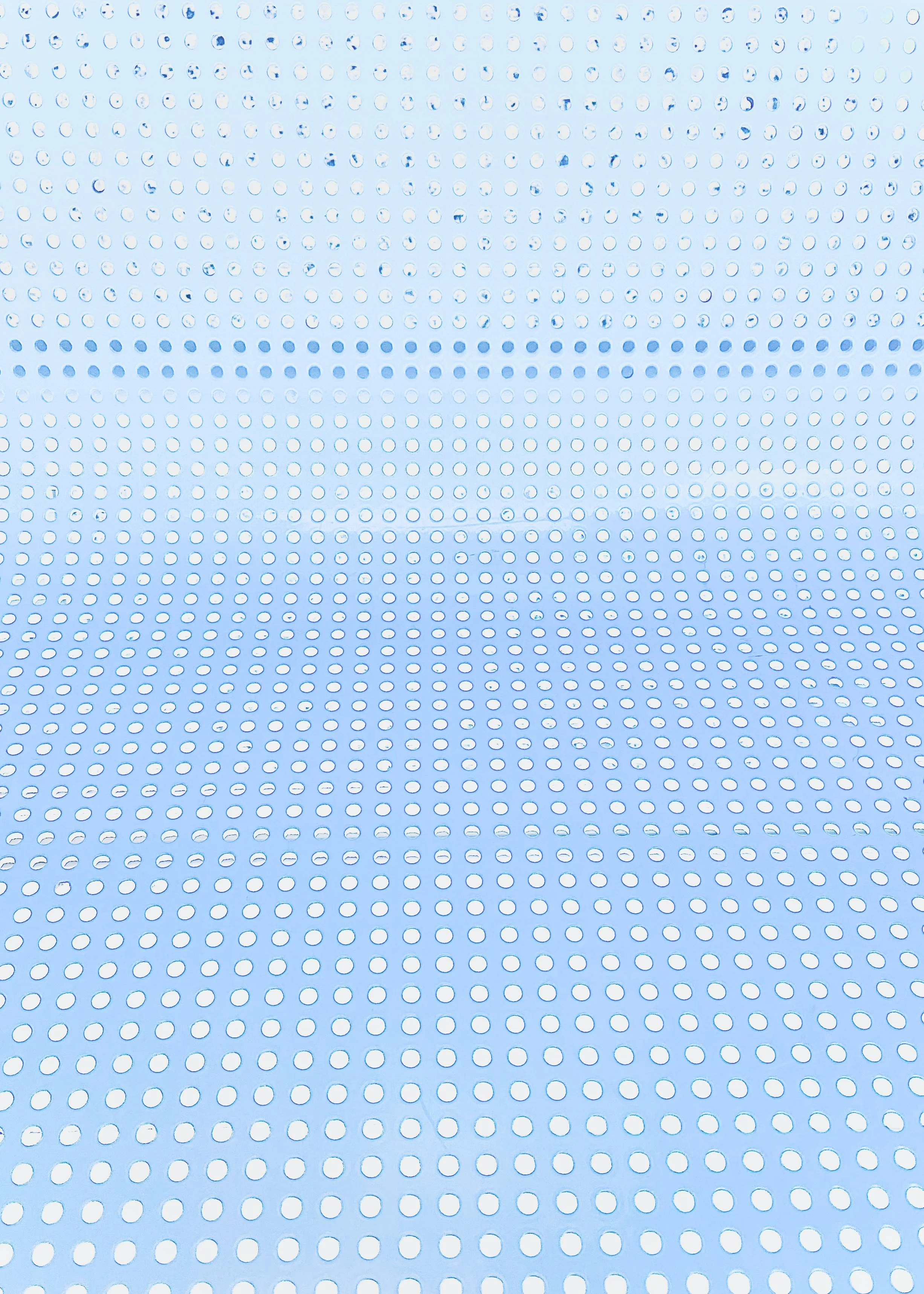
Image by Eve Louisa: @evelouisaa
“There was no person or object in these images, yet they felt so intimate to me. The way light and colour can move people is profoundly intimate.”
Anai Bharucha, a Mumbai based fashion photographer and artist showed images portraying intimacy and tradition at the exhibition. Her images blur storytelling, resistance and care into one another.
When asked about collective memory and individuality, Anai responded:
“Women are inherently fluid beings. We see parts of ourselves reflected in other women. There’s a sense of safety in that recognition, a quiet reassurance that we’re not alone in our discomforts or desires.”
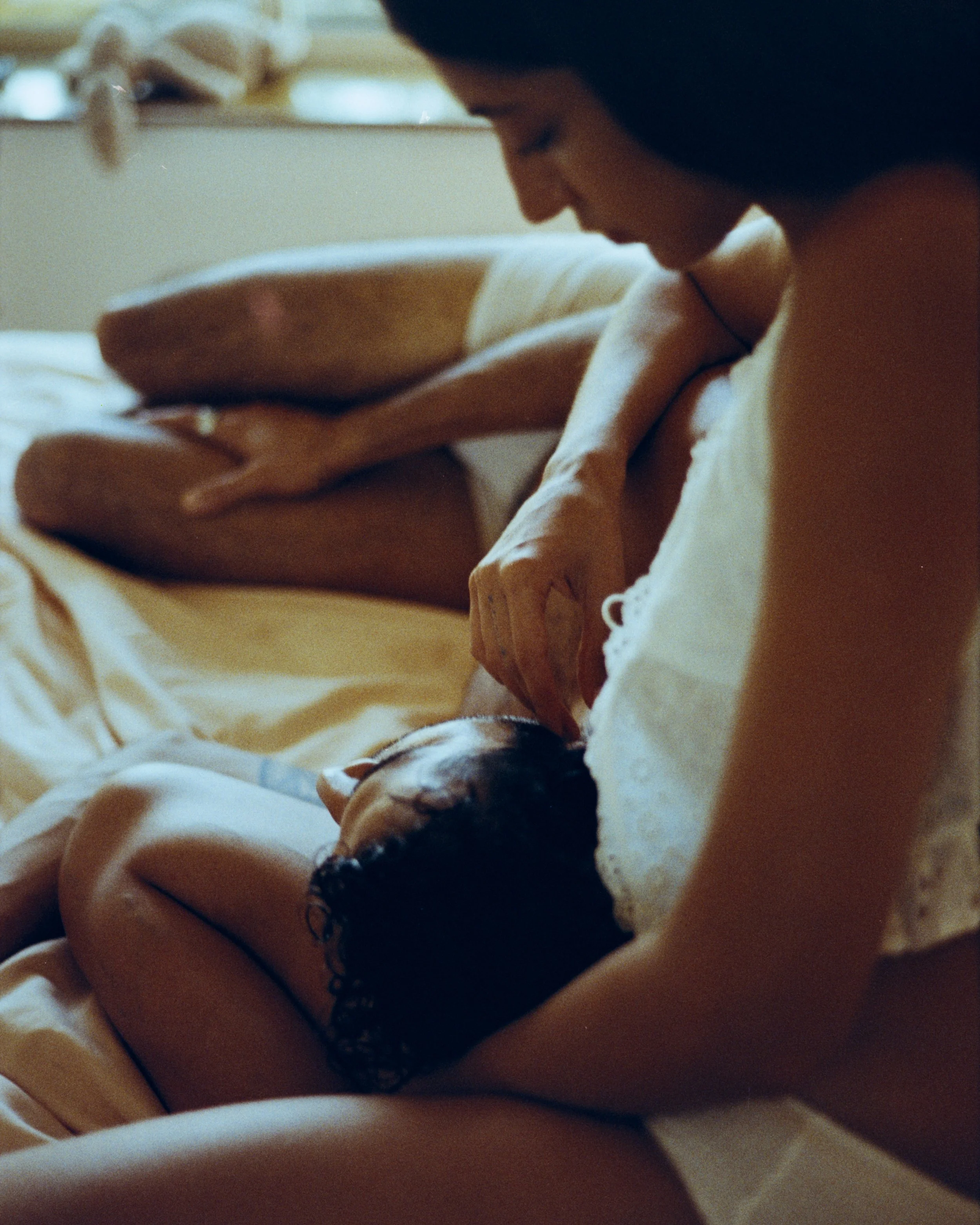
Image by Anai Bharucha: @anaibharucha
She adds that through her work, she witnesses and learns the “balance of strength and vulnerability” and how they can “co-exist within the same moment”.
Aparna Aji, often photographs youth, freedom, play, and strength. As qualities central to Girls in Motion, Douce asked Aparna what it was that drew her to these subjects.
“I’m always interested in the slippery space between what’s real and what’s performed.”
Explaining her photography ideology, “I think the ‘mistakes’ are what makes the image alive. They remind you a human made it. Kind of how memory usually behaves: choppy, emotional, sometimes unreliable.”
Artist Hridya Sadanand, has a dual background in photography and design. Photography has allowed her to “ask questions, create emotions, and leave space for people to interpret the image in their own way”. Asked about her process, Hridya says she always thinks about her audience and “how they should experience my photos”.
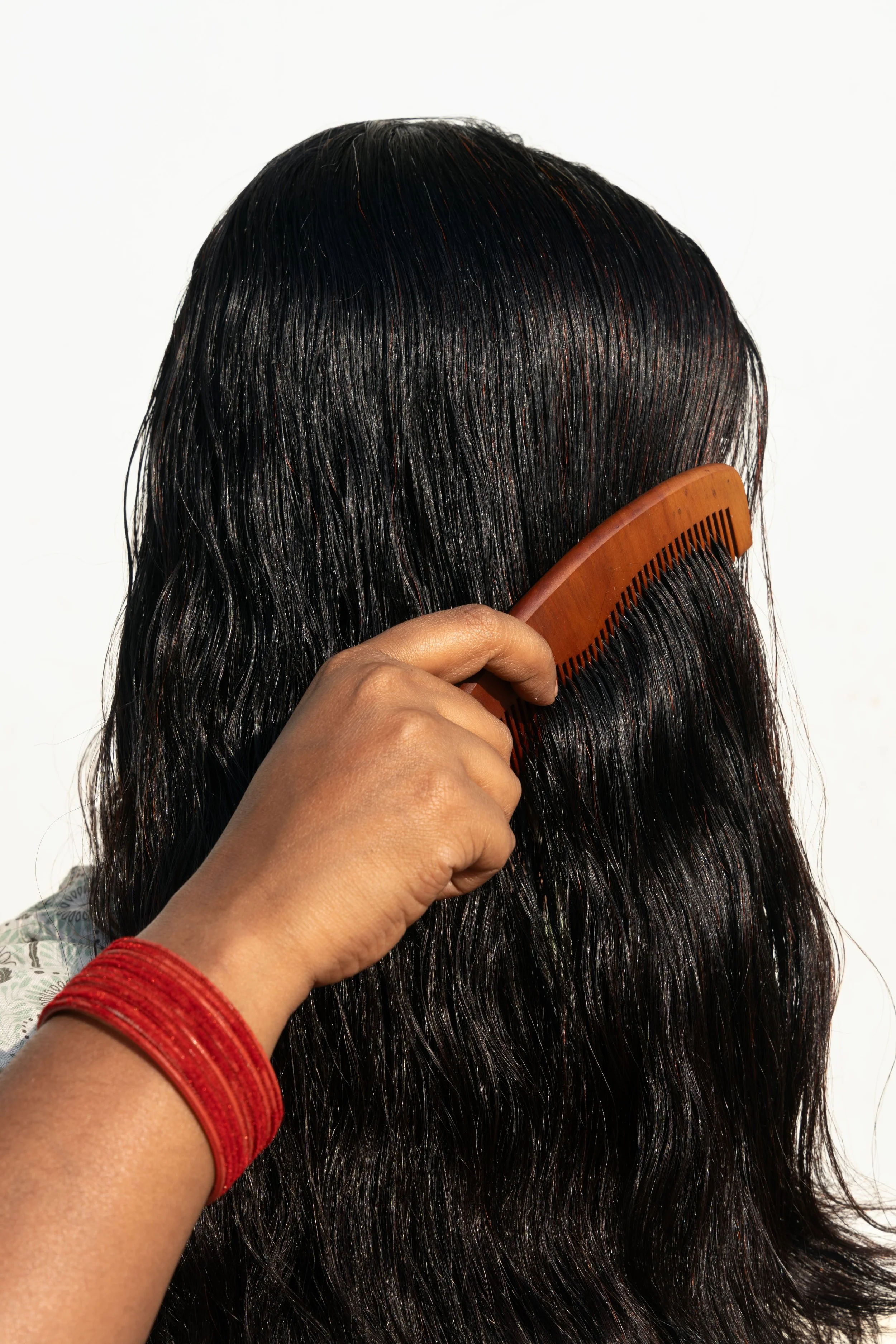
Image by Hridya Sadanand: @hr_dya__sadanand
“Being included in Women in Photo has been meaningful for me because it highlights voices, perspectives, and stories that are often overlooked.”
Hridya is adamant about the collaborative power of photography. Jahnvi and Hridya selected images together, discussing the ways in which her images engage with intimacy, feminism, and memory. It is important that her photography reaches girls and women “who may see themselves in my stories”. Hridya would like her images to be shared in accessible, community spaces and across platforms where people are able to connect without necessarily visiting a gallery.
Jahnvi hoped this exhibition would “hold a sense of shared emotion and strength that exists quietly between women.” What she achieved was so much more!