
Playing the Rebellious Game: Girls, Sport, and the Fight Against Child Marriage in India
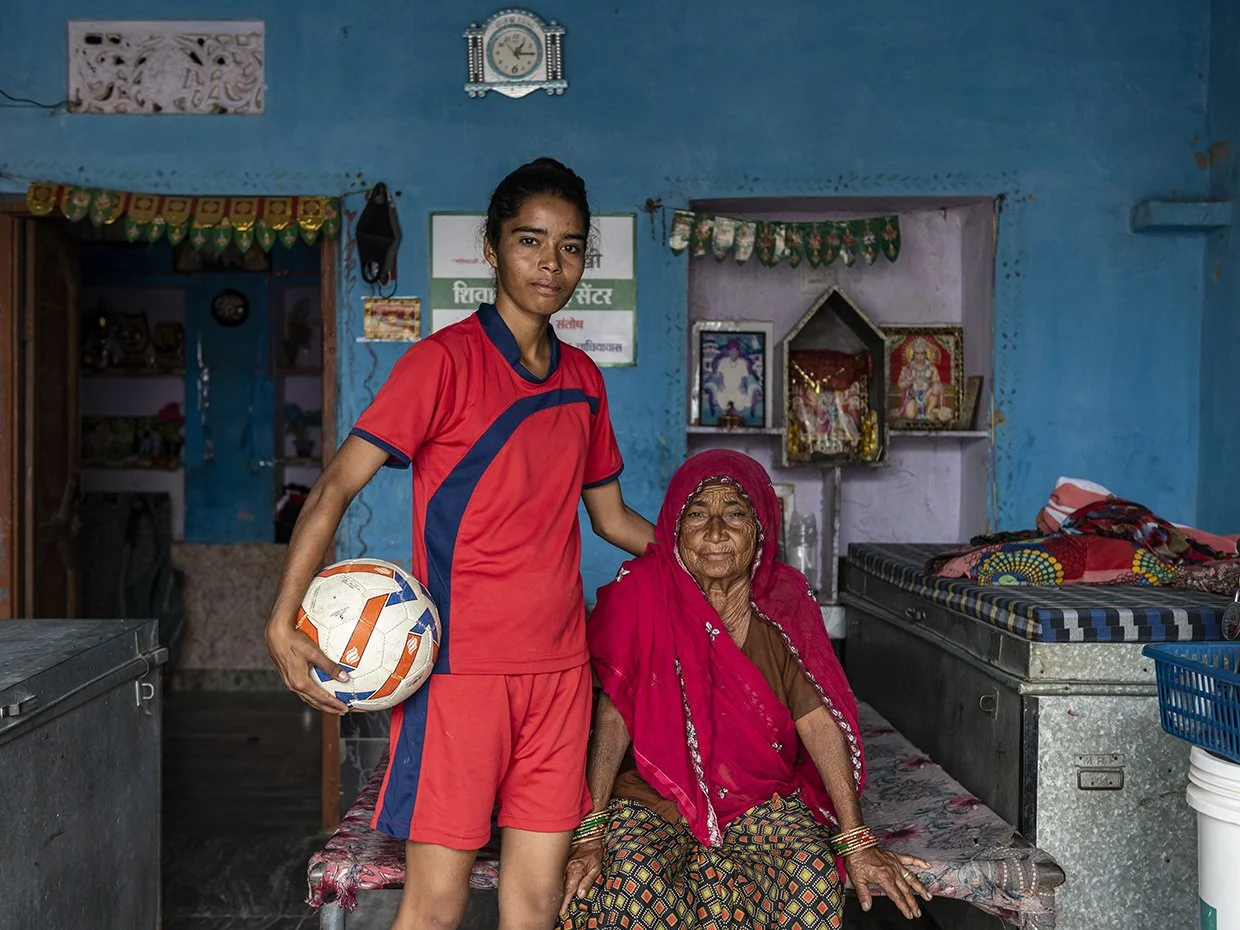
Photo supplied by MJAS
The Prohibition of Child Marriage Act 2006 criminalises the marriage of girls under the age of 18 and boys under the age of 21 in India. However, child marriage is still widespread.
According to UNICEF, India is home to the largest number of child brides in the world, accounting for a third of the global total. The charity estimates that more than 1.5 million girls are married in India before they turn 18.
Child marriage is driven by low literacy rates, limited access to education, weak legislation, and rural poverty. Early marriage ensures that girls do not complete their education, making them dependent on their husbands for financial support and severing their opportunities to live independently. This exposes them to domestic abuse and exploitation. It perpetuates a dangerous cycle that negatively affects the Indian economy, entrenches intergenerational poverty, and creates widespread health and social consequences for women. While boys are affected, girls bear the overwhelming burden.
On 3rd February 2026, the BBC World Service released an episode of the Documentary Podcast titled, ‘India’s sports women playing to be seen’. Divya Arya, Senior Bilingual Correspondent for Collective Newsroom, discusses the young women in rural India playing sport to avoid child marriage.
Here are some of the highlights.
The Power of Football
Munna comes from Rajasthan in the northwest of the country. Many parents believe that marrying their daughters prevents them from being exposed to ‘bad influences’. In 2020, Munna’s sister was married aged 16. At the same time, aged only 14, Munna was told she would be married into the same family. However, the ‘exchange’ did not happen and the next time the question of her marriage came up, Munna said no.
Despite saying no, Munna’s parents continued to push for her marriage. But, through MJAS, Munna discovered football and her prospects have changed.
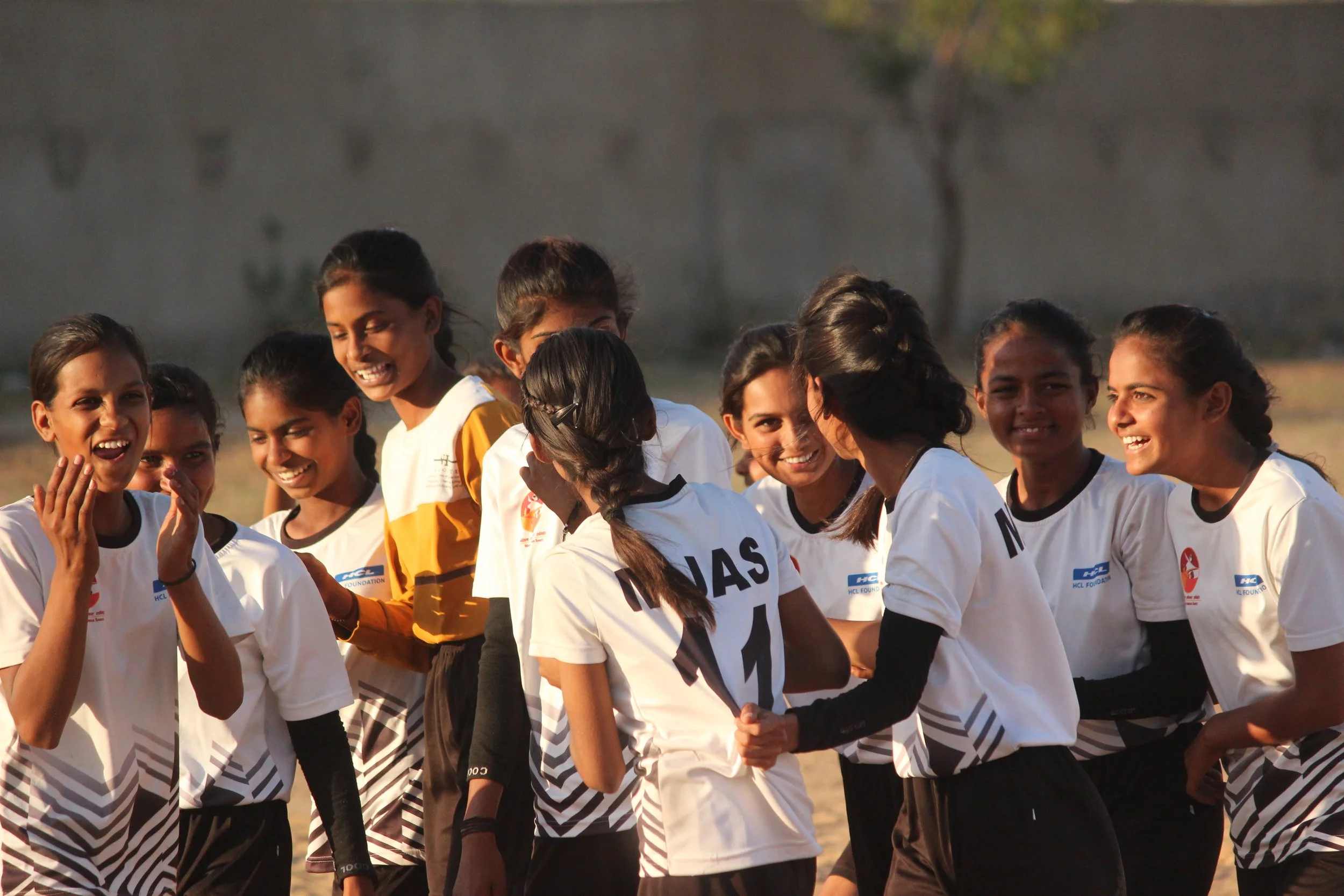
Photo supplied by MJAS. Photo by Amarnath
Loosely translated as ‘Women’s Rights Committee’, Mahila Jan Adhikar Samiti (MJAS) is an NGO in western India, using football to empower young girls and disturb the cycle of child marriage.
Ms. Indira Pancholi is the founder and director of MJAS. Here is what she has to say about the programme and its impact on girls in India:
“The presence of young adolescent girls in public spaces; their abandoning traditional attire and wearing football kits; the daily negotiations to get to the ground; assertiveness; travelling to remote areas to play games outside using public transport and learning discipline are actions that empower girls.”
Their programme, Football for Freedom, Unity and Solidarity, delivers football coaching, provides health check-ups, and teaches self-defence and life skills, including modules on menstrual and reproductive health, career advice, and child sexual abuse awareness. The programme includes a grassroots coaching initiative that offers leadership training to players who wish to become coaches for the next cohort.
“Indian society is shaped by deeply ingrained inequalities and cultural practices woven within it. These inequalities, such as caste, class, religion, gender, etc., are visible in every sphere. Gender inequality impacts overall development, including education, health, and employment opportunities. Sports, especially football, are often considered unsuitable for women due to strict gender roles.”
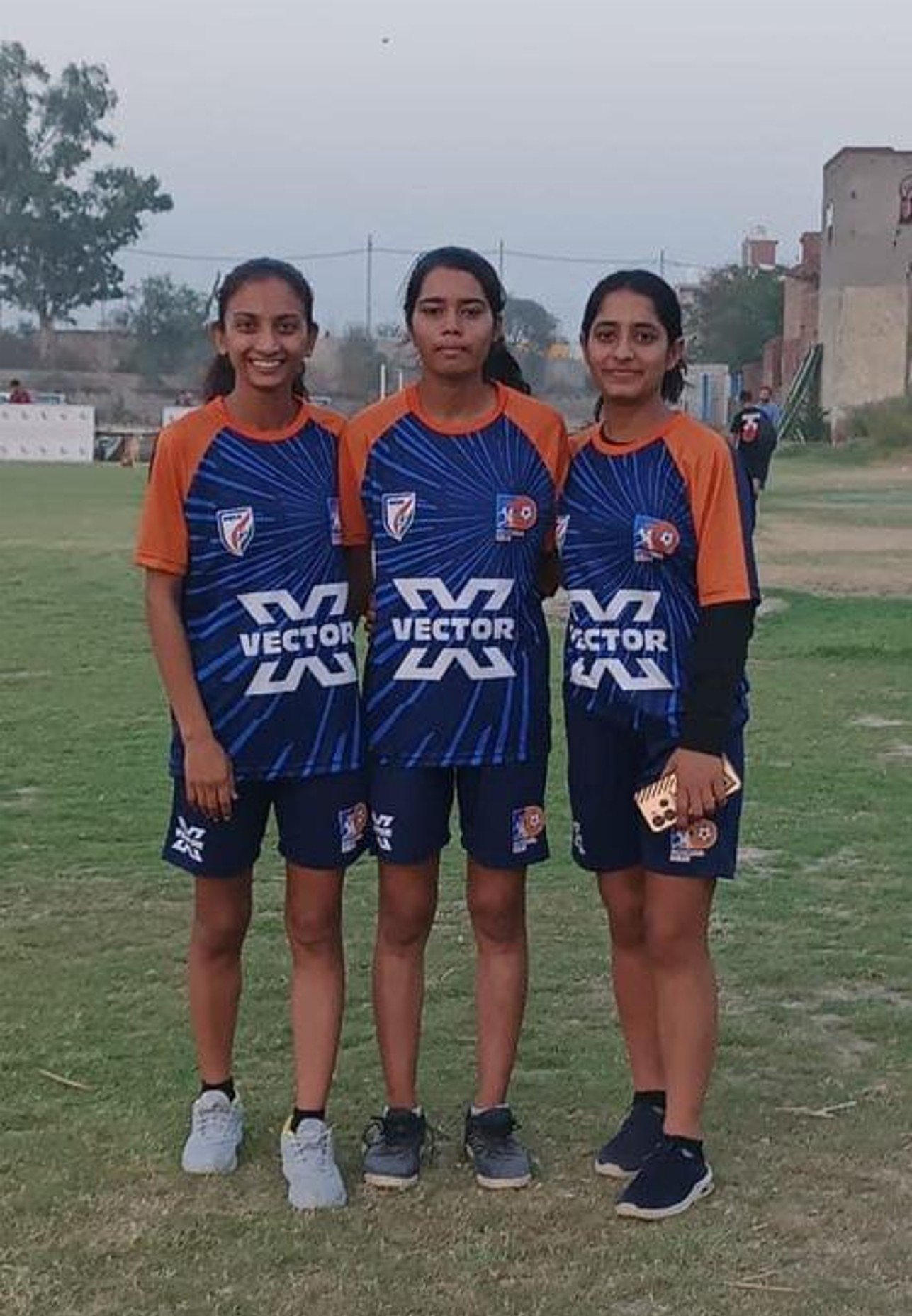
Photo supplied by MJAS.
Girls in India face constant barriers to playing sports. From ingrained beliefs that sport is a male domain, to restrictions on what they can wear, and whether they are allowed to leave home to compete. On Munna’s football team, nine of the 12 girls are child brides; football does not prevent child marriage, but it does empower girls, giving them knowledge and independence.
10 years since the programme was founded, MJAS has trained more than 800 girls in 13 villages across Rajasthan.
“Our model works on two levels: fun and excellence in sport. These young girls can overcome discrimination and violence in their lives and lead happy, empowered lives as informed citizens.”
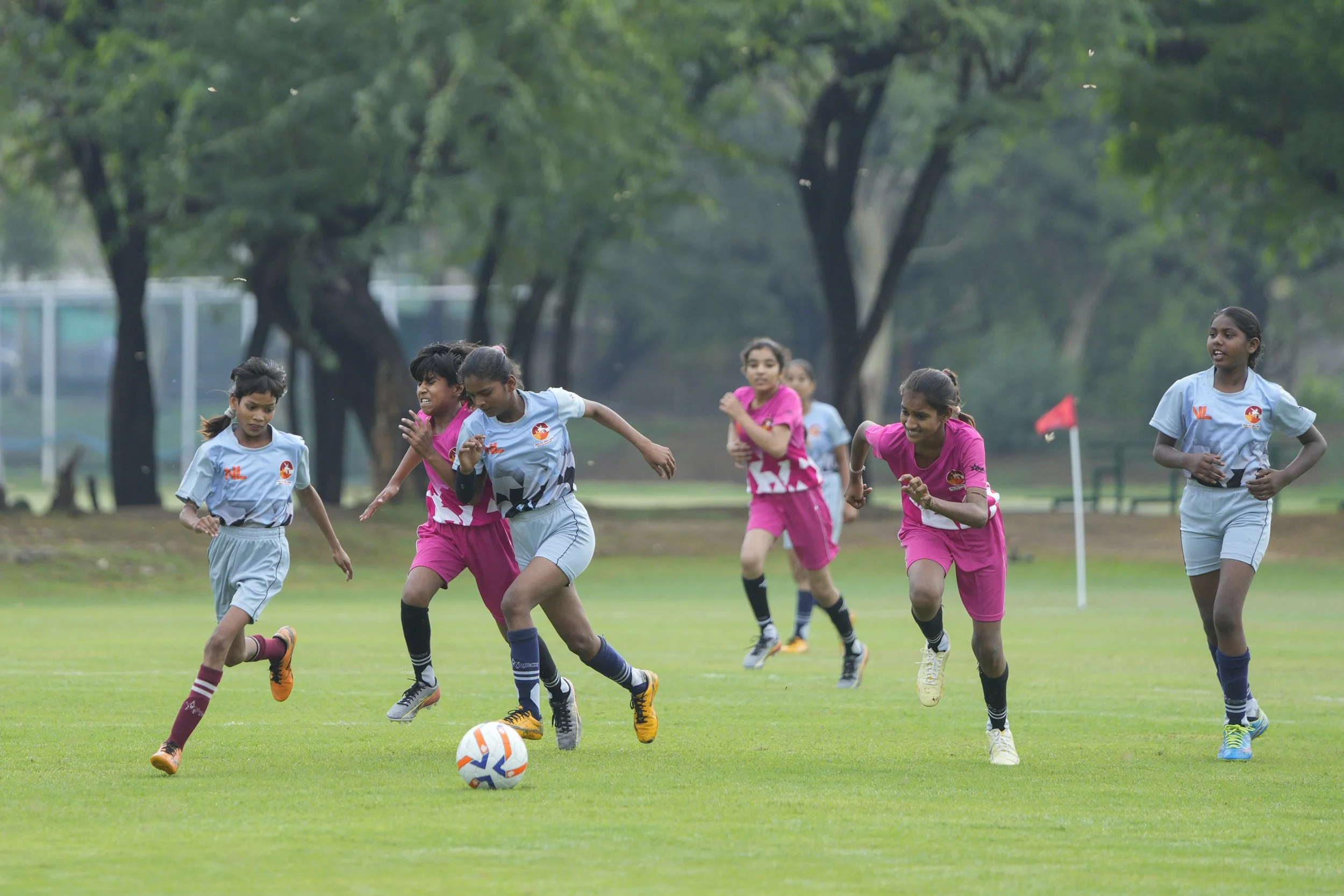
Photo by Deepak Sharma
MJAS presents the programme to parents as a pathway to government jobs reserved for sportspersons. Through the training girls also learn about their rights, the Constitution, and the harms of child marriage, empowering them to speak up and refuse early marriage.
“The changes taking place in their lives are not just personal but also reflect on their families and communities. These sportswomen are emerging as agents of change in their societies, aligning with global development paradigms.”
As a result of Munna’s rebellion, her 15-year-old sister Nisha has found her feet too. Making it onto the state football team, Nisha has cropped her hair and found her individuality. She is adamant she will not be married off. Munna is currently training to become a coach so that she can empower other girls like herself and earn a living that does not require her to marry so young.

A session on reproductive Health. Photo supplied by MJAS
What Next?
Gender inequality, poverty and ingrained and damaging social norms is rife in India. It will take sustained and national change to alter the landscape, especially on child marriage. However, Munna, Nisha, Shahin and Muscan are proof that empowering girls with knowledge and opportunity has a much larger ripple effect. Organisations and initiatives like MJAS, the Special Area Games Scheme and Girls in Motion do not just coach girls in sport, they act as a beacon of hope for a life lived differently, for dreams reached and for a better India and world to come.
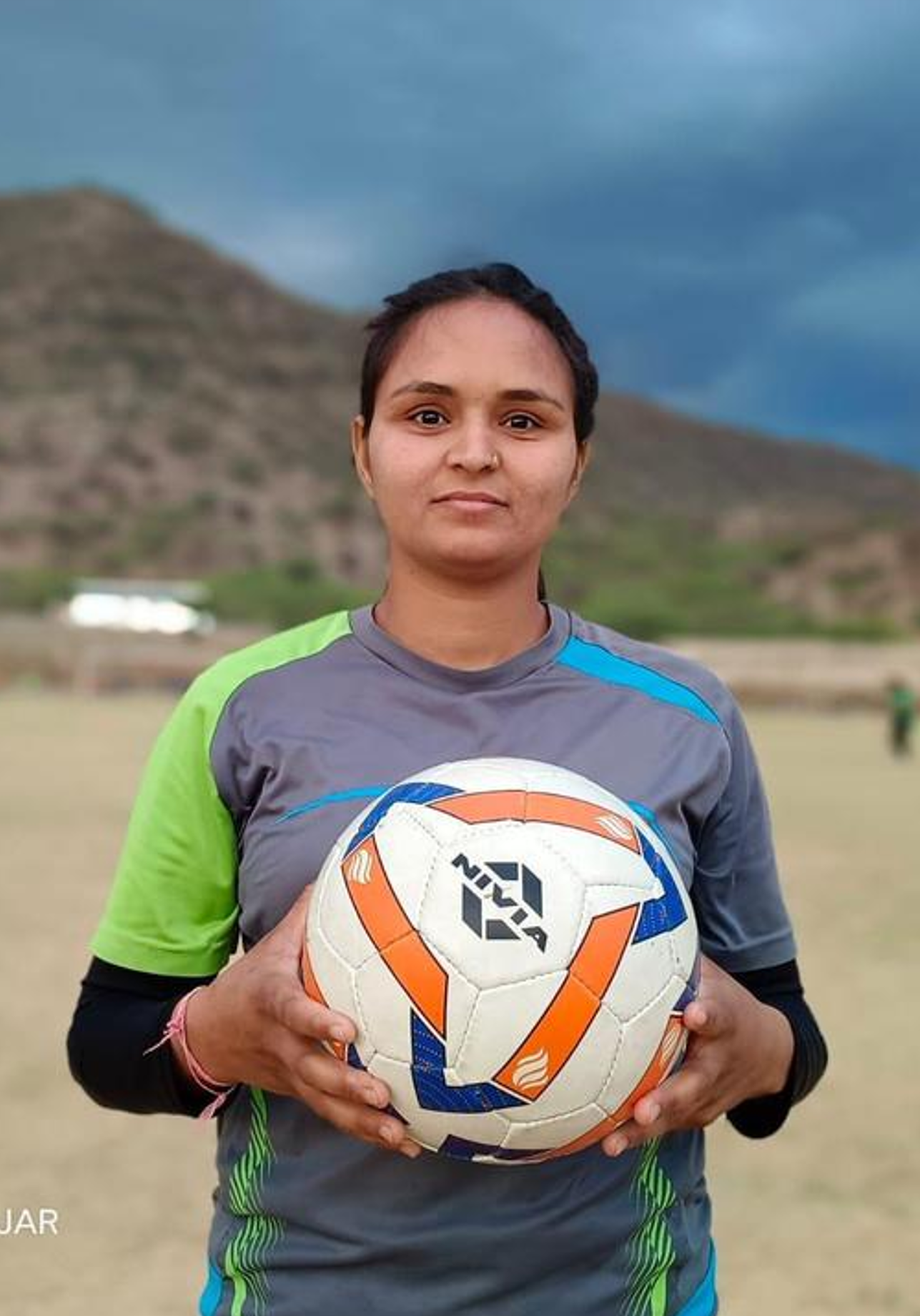
Mamta Jangid. Photo supplied by MJAS
With thanks to MJAS and Ms. Indira Pancholi, for their contribution to this article.
Useful Links:
You can listen to Divya’s podcast here: https:// www.bbc.co.uk/sounds/play/p0mxczbj
UNICEF on child marriage: https://www.unicef.org/india/what-we-do/end-child-marriage
MJAS: https://www.mjas.org/projects/football-for-freedomunity-and-solidarity/