
India’s Women Didn’t Just Win a World Cup. They Changed the Game.
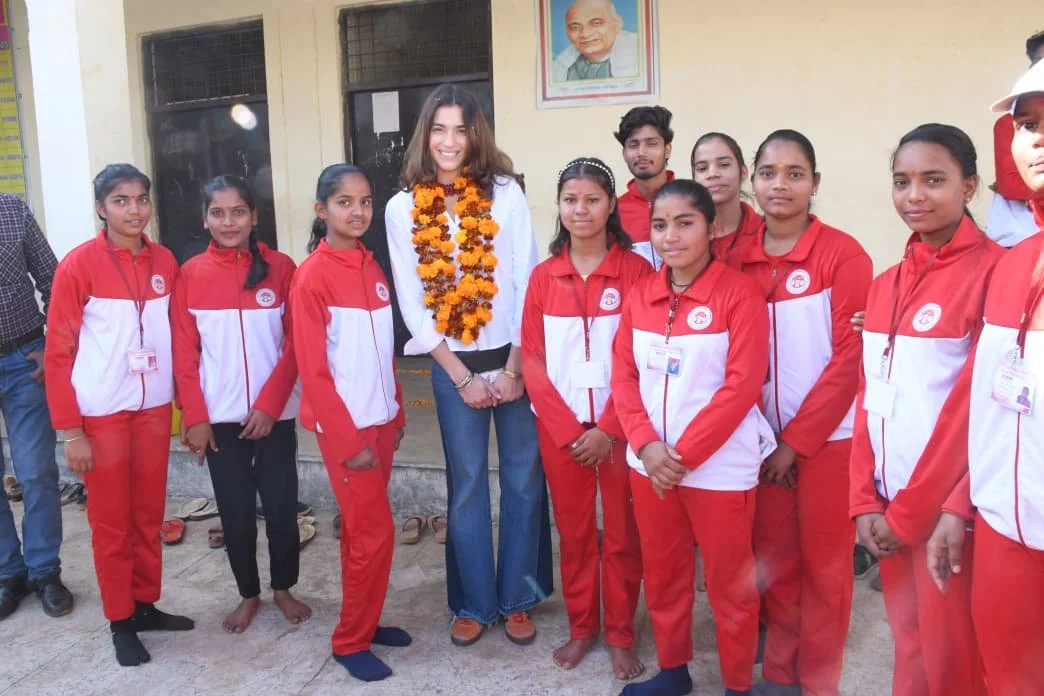
December 2025, On a site visit back to Shivpuri Madhya Pradesh to see our Girls, one could feel the utter excitement in their body and voice after the Indian Women’s Cricket team took the World Cup win. We discussed this at length in group talks and everyone expressed how they could finally more confidently lean into their sporting dreams because now, the world was looking.
The Girls in Motion team are excited to be announcing the first of our new monthly initiative, Gyaan Akhara ज्ञान अखाड़ा – “The Knowledge Arena of Girls in Motion.” We will be keeping you up to date with all things sport, women’s health and, of course, India. Could there possibly be a more thrilling way to kick off than by celebrating last month’s victory by the India Women’s cricket team?
Here we are, in motion.
A team of Indian women has made history by becoming World Champions.
Last month, 304 years after the first cricket match was played in India, we celebrated the women who have put a new milestone on the timeline of sporting history. On November 2, the India Women cricket team won the country’s first ever women’s World Cup title, beating South Africa by 52 runs.
Miriam Walker-Kahn is founder of Brown Girl Sports, an online platform and community that represents South Asian women and girls in sport and was previously a Diversity and Inclusion reporter at Sky Sports News.
“India's cricket World Cup win was monumental - not just for women's sport, but for South Asian women in sport specifically. Too often, South Asian women and girls are left out of conversations about sport - whether it's in sports teams, in the media, in governance or even marketing.”
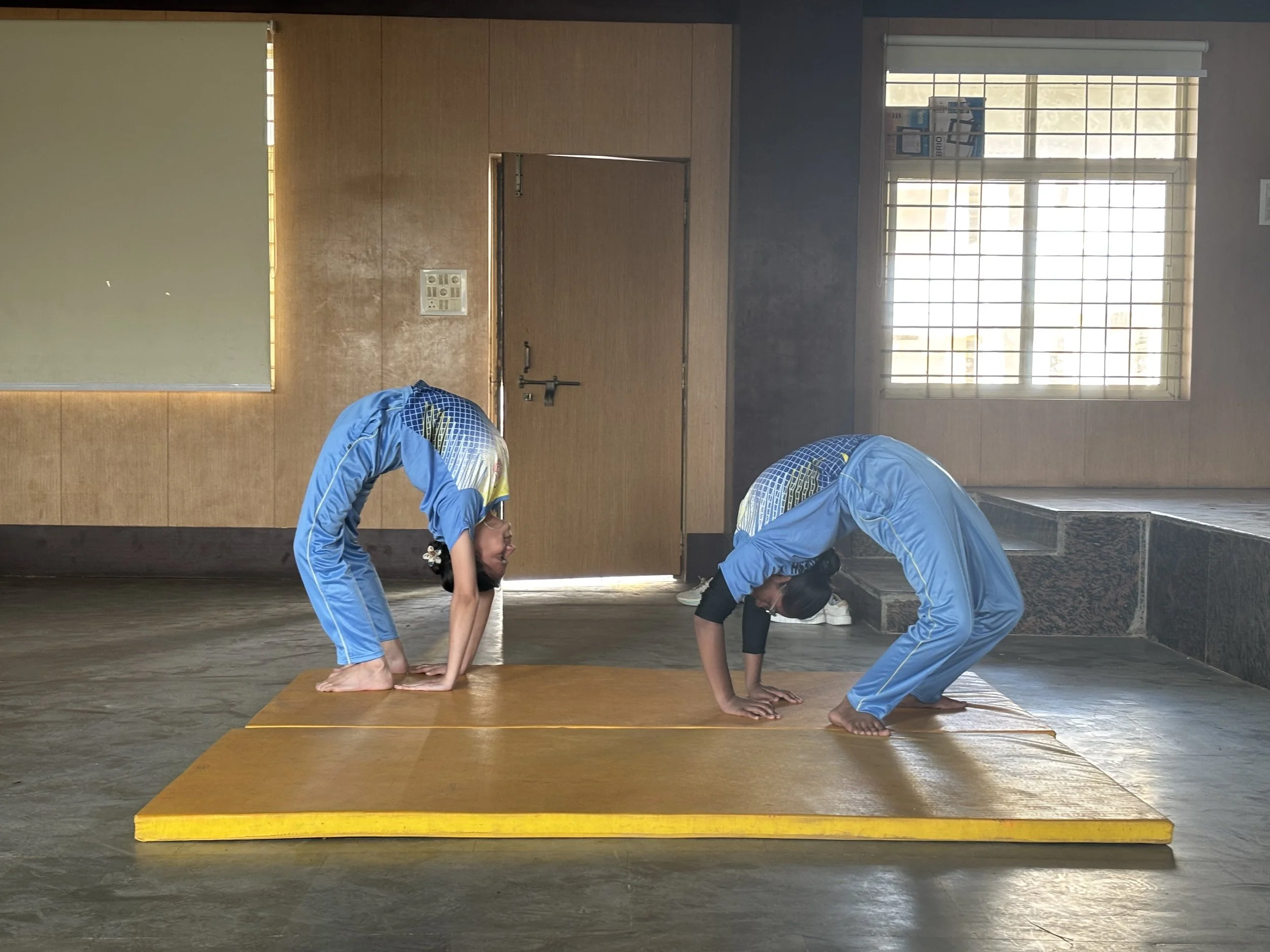
Yoga state champions from Madhya Pradesh showing their skills as they conduct their first coaching session to lead their first session in school in Shivpuri.
A home game at Mumbai’s DY Patil Stadium, the team defied all odds following three defeats in the initial stage to claim victory. These women have proven that they can turn adversity and hardship into grit and success; and that they have the ability to bring pride to a country as much as any man.
This World Cup marked the first time that women’s sport attracted the same number of viewers as men’s sport. With 185 million live streamers and 92 million TV viewers, there were roughly the same number of viewers watching on November 2 as there were watching the 2024 T20 men’s World Cup. In a country where cricket accounts for 85% of all sports revenue in the sponsorship market, this is a huge deal.
“This is a moment we should all be celebrating and remembering for years to come, as we strive to change the narrative that South Asian women don't do sport and continue to bust outdated myths and stereotypes that have created decades-long boundaries for so many talented women in South Asia.”
Many of these players grew up in India’s rural towns, with little to support a sporting career on the world-stage. They have had to work harder than anyone to get to this point.
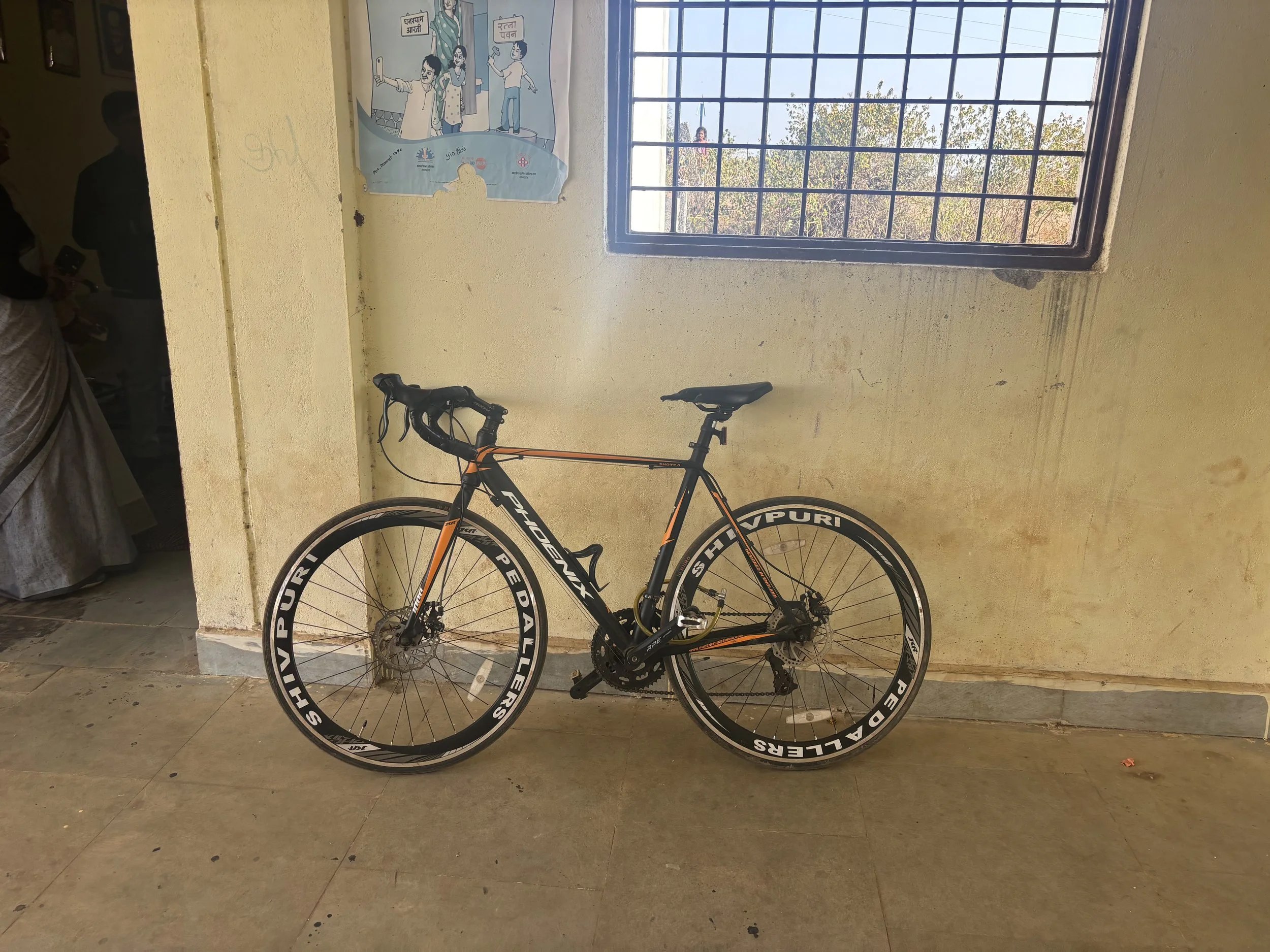
There are few Indian state representatives in Government schools but those that are wear it with a lot of pride. This month I had the privilege of meeting one of Madhya Pradesh’s cycling champions. Her bike proudly left in the school corridors as she attends class.
“India's team includes such an incredible and diverse mix of women, which highlights the importance of celebrating intersectionality and stories within the team - but also the South Asian community in general.”
So, who are the women behind the win?
The team’s captain, Harmanpreet Kaur, was born in 1989 in Moga town, Punjab. Her father was a club cricketer but her early days in the sport involved seamless balls and ancient bats. Despite this, she rose to the task and conquered, lifting the World Cup trophy for her team and for her country.
Renuka Singh Thakur, a crucial bowler in the final match, learnt to play cricket in the back alleys of her village in Northern India. To pursue her career in cricket, she had to leave her home and mother, particularly close-knit after losing her father as a young girl, to train in Dharamshala. Her mother has always encouraged her and worked much of her life to fund her passion for cricket.
Radha Yadav, local to Mumbai, was 19 when she was contracted to BCCI. Following the contract, Radha bought her family a grocery shop so that her father could move from a stall on the pavement to a permanent spot inside.
Amanjot Kaur from Punjab, played for a long time with a bat made by her father from the leftover wood in his carpentry shop. Amanjot was key to the team’s success in the final as, in a moment of extreme tension, she juggled and secured a ball at deep midwicket to bring victory against South Africa.
As mentioned by the players, family has also been important to success, encouraging them to continue when others were disparaging of the idea of women pursuing sporting careers. They truly are the trailblazers of a generation, and of a nation. They should be celebrated not only for their victory, but for setting a precedent to other women, proving that anything is possible when you dream hard and work hard. This moment marks the beginning of a new era for the women of India.
“Let's hope this moment serves as a catalyst for more funding, development and fresh attitudes towards women's sport across the whole of South Asia.”
Girls in Motion is at the forefront of bringing sporting opportunities to every girl in India, no matter the infrastructure around them. As this World Cup has proven, sport is more than a game—it is a catalyst for mental wellbeing, physical health, and social change. Every girl dreams, and every girl should be empowered to try.